

Start With Light, Not Layout
Most small British kitchens are galley kitchens, and there is usually no knocking through walls or moving the sink. That is fine, because the biggest gains in a narrow space come from how it looks and how it stores, not from how it is built. Before you spend a penny on storage, spend a weekend on light.
Pale colours bounce daylight around a room, but the mistake is going stark white from floor to ceiling. It reads as cold and slightly clinical, and every mark shows. Choose a warm off-white or a soft chalky grey for the walls and cabinet doors, then bring in a mid-tone somewhere — a deeper sage or a muted clay on a single splashback, or on the inside of open shelves. That gives the eye something to rest on and stops the room feeling like a showroom.
A few specific things make a real difference in a galley:
- Paint the ceiling in the same colour as the walls, ideally in a flat finish. A white ceiling above coloured walls draws a hard line that makes the room feel shorter.
- Swap dark handles for slim brushed or painted ones, or go handleless with push-catch doors. Visual clutter at eye level is what makes a narrow kitchen feel tight.
- Keep worktops light. A pale laminate or a light oak effect will reflect more light than a dark granite look, and it hides less clutter because you can see it — which is a good thing.
Open Shelving That Earns Its Place
Open shelving is often sold as a way to make a kitchen feel bigger, and it does — but only if it is edited ruthlessly. A shelf crammed with mismatched packets looks worse than a closed cupboard. Done well, it works because you see the depth of the wall behind the shelf, and depth is what a galley lacks.
Use one or two shelves rather than a full run, and put them where a wall cupboard would have blocked the light — usually beside a window or at the end of a run. Keep to three or four items per shelf rhythm. Everyday white plates, a couple of glass jars, a small stack of bowls, a plant. Treat it like a shop display that happens to be useful.
If you are handy, a single scaffold board on two simple brackets is one of the cheapest upgrades going, and it can be cut to any awkward length. Seal it with a food-safe oil so it survives steam.
Containers Do the Quiet Work
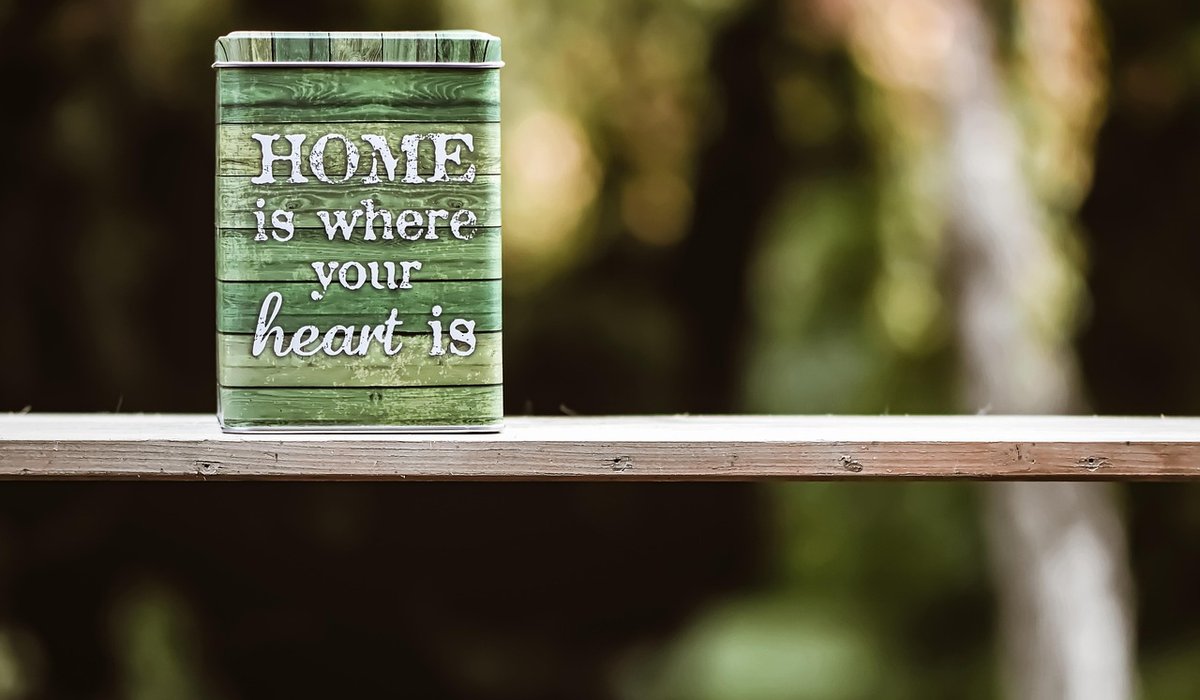
Visual clutter, not actual lack of space, is what makes most small kitchens feel cramped. Loose pasta bags, half-open cereal boxes and a jumble of cleaning bottles all shout for attention. Containers quieten them down.
The trick is to buy one style and stick to it. Matching glass jars with bamboo lids, or a set of square stacking tubs, will always look calmer than a collection of odds and ends. Square beats round, because round containers leave wasted gaps in a cupboard.
- Decant the everyday things — flour, rice, pasta, tea, coffee, sugar. Keep a small label on each. You will use them more and spill less.
- Go opaque for ugly items — cleaning sprays, dishwasher tablets, bin bags. Clear jars show off the pretty things; hide the rest.
- Use the back of the door. A slim rack inside a cupboard door for foil, cling film and baking paper frees an entire shelf.
- Add a turntable in a corner cupboard for oils and sauces so nothing gets lost at the back.
- Split drawers with dividers. A shallow drawer full of loose cutlery wastes half its volume; a cheap insert doubles what fits.
Push Storage Up and Into the Gaps
Look at your kitchen and count the wasted inches. There are almost always more than you think.
The space above wall cupboards is often dead. A run of plain baskets up there for rarely used items is far better than a dusty void. Beside a freestanding fridge there is frequently a 100mm gap — that is a ready-made slot for a slim pull-out trolley for oils, or a set of tall narrow shelves for trays and boards.
Under the sink, fit a two-tier pull-out so you can actually reach the back. And if your kickboards are deep, consider having a plinth drawer fitted for baking trays and flat items; it is a genuinely useful trick in a narrow room. A magnetic knife strip on the wall frees a whole drawer, and a hanging rail with a few hooks above the hob keeps utensils to hand without taking worktop space.
Lighting, Flooring and the Finishing Touches
One ceiling light in the middle of a long kitchen leaves both ends in shadow, which makes the room feel tunnel-like. Layer your lighting instead: a warm strip under the wall units to light the worktop, a small pendant or two over the sink, and a lamp on the windowsill for evenings. Dimmable where you can.
Keep the floor one continuous material from hall to kitchen if possible. A change of flooring chops the room in two. If you cannot match it, choose a light floor that runs lengthways to draw the eye down the galley. A long runner in a washable cotton is practical and adds warmth without breaking up the space visually.
Small Habits Keep It Feeling Big
However clever your storage, a small kitchen only stays spacious if you clear it daily. Ten minutes each evening — wiping the worktop, putting the chopping board away, returning the kettle and toaster to their spot — does more for the feel of the room than any single purchase.
Adopt a one-in, one-out rule for gadgets. If a new air fryer arrives, something else leaves. Clutter creeps back in quiet and steady, and in a galley kitchen there is nowhere for it to hide. A five-minute reset each night is the cheapest design decision you will ever make.


Coding is used in almost all aspects of life and work now, be it directly or indirectly. It’s not just for companies in the tech sector. “An increasing number of businesses rely on computer code,
Coding is used in almost all aspects of life and work now, be it directly or indirectly. It’s not just for companies in the tech sector. “An increasing number of businesses rely on computer code,
Coding is used in almost all aspects of life and work now, be it directly or indirectly. It’s not just for companies in the tech sector. “An increasing number of businesses rely on computer code,