

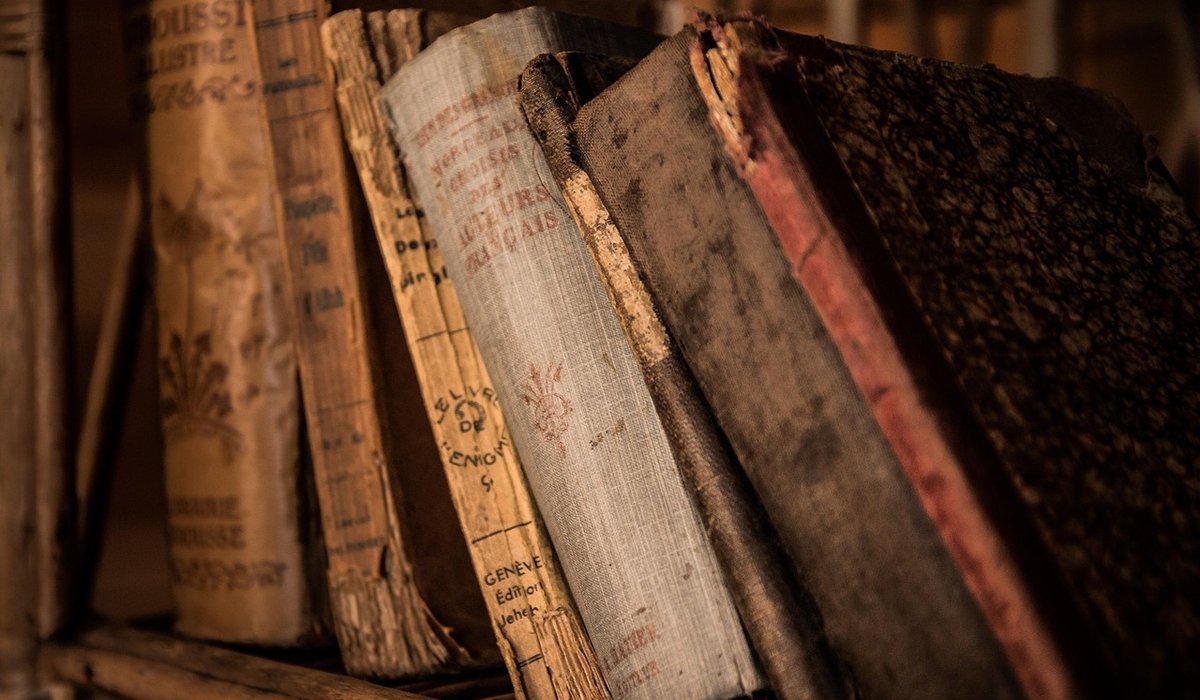
A Room That Works, Not a Museum
Period homes come with a certain weight of expectation. The instinct is to furnish them as they "should" be: dark wood, chintz, a glass cabinet nobody dares open. Lovely in photographs, exhausting in daily life — particularly in a two-up-two-down terrace where every centimetre is spoken for. The answer isn't stripping out the character you fell in love with. It's mixing. A Victorian shell will happily carry a clean-lined modern sofa, and the contrast is what stops the room feeling preserved in aspic.
The principle is simple: let the architecture do the period work, and let the furniture do the living.
Start With What You Already Have
Inherited pieces are usually the emotional starting point, but they shouldn't be exempt from practical judgement. Before you build anything around them, measure everything — the room, the doorways, the alcoves, the chimney breast — and write the numbers down. A sideboard that looked modest in a larger house can swallow an entire wall of a small front room.
Then ask three questions of each piece:
- Do we use it? If a bureau has held nothing but old receipts for four years, it's furniture-shaped clutter.
- Can it be repaired or repurposed? A wobbly chair is often a ten-minute fix, not a write-off.
- Does it have to live here? A bedroom, hallway or spare room may suit it better than the main living space.
Keeping three good inherited pieces and editing out six mediocre ones will always look more considered than keeping all nine. Group what remains instead of scattering it — two dark wood items together read as a deliberate collection, whereas one in every corner just reads as heaviness.
Choosing Modern Pieces That Earn Their Place
Modern furniture works best in a period room when it's chosen for contrast in weight and texture rather than for novelty. Aim for pieces that sit low, reveal floor space and don't block sightlines to the features you're proud of — the cornicing, the sash windows, the fireplace surround.
Things that reliably work:
- A low-backed sofa or armless chair that leaves the picture rail visible.
- Glass, pale metal or light oak where the inherited furniture is dark and solid.
- A plain, flat-weave rug under a busy patterned original.
- Simple, well-proportioned storage that disappears against the wall colour rather than shouting.
Buy fewer, better pieces. One well-made modern chair that you'll keep for fifteen years is thriftier than three cheap ones you resent by spring.
Proportion, Placement and the Art of the Gap
Most mixed rooms fail on scale rather than style. A deep modern sofa in front of a shallow Victorian fireplace, or a spindly modern lamp beside a hefty chest of drawers, creates a mismatch the eye can't settle on.
Useful rules of thumb:
- Keep furniture heights varied, but let one element repeat — a metal finish, a wood tone, a single accent colour — so the mix feels intentional.
- Leave breathing space. In a small room, two pieces with a clear gap between them feel calmer than four pushed together.
- Pull furniture away from the walls where you can. Even 15cm of visible skirting makes a room feel larger.
- Place the newest piece where the oldest architecture is strongest. A crisp modern table in front of an original sash window looks confident; in a bland corner it just looks ordinary.
Practicality First: Light, Storage and Comfort
Historic rooms are often gloomy, and a ceiling pendant alone won't fix it. Layer your lighting: a floor lamp beside an inherited armchair, a small table lamp on the sideboard, wall lights either side of the chimney breast if wiring permits. Warm bulbs — around 2700K — flatter old plaster and dark timber far better than cool white.
Storage is where modern pieces genuinely earn their keep. Slim cabinets in alcoves, benches with lift-up lids beneath windows, baskets on the floor of a cupboard with the door taken off. If you have original floorboards, a few well-chosen rugs will do more for warmth and sound than any amount of soft furnishing elsewhere.
And don't overlook the unglamorous jobs: draught-proofing sash windows, a radiator that actually heats the room, a door that closes properly. A period room that's warm and quiet will always feel better than one that's merely styled.
Thrifty Ways to Blend the Two
Mixing old and new is naturally a thrifty approach, because it lets you shop slowly and in unexpected places. Charity shops, house clearance sales, local auctions and online marketplaces are full of solid timber that's fallen out of fashion simply because it's brown.
Ways to bring a piece into the present without spending much:
- Paint it. A dark, ornate chest in a soft chalky off-white loses its fussiness and gains a modern silhouette against a coloured wall.
- Change the hardware. New handles cost very little and transform a dated cabinet in an afternoon.
- Re-cover, don't replace. A tired chair with good bones and a fresh, plain linen or wool cover is a modern chair with history underneath.
- Rewire old lamps. An electrician's check and a new fabric flex turns a car boot find into a proper bedside light.
Take your time. The best mixed rooms are built over years, one carefully chosen piece at a time, and they look better for it — lived in, layered and unmistakably yours.


Coding is used in almost all aspects of life and work now, be it directly or indirectly. It’s not just for companies in the tech sector. “An increasing number of businesses rely on computer code,
Coding is used in almost all aspects of life and work now, be it directly or indirectly. It’s not just for companies in the tech sector. “An increasing number of businesses rely on computer code,
Coding is used in almost all aspects of life and work now, be it directly or indirectly. It’s not just for companies in the tech sector. “An increasing number of businesses rely on computer code,